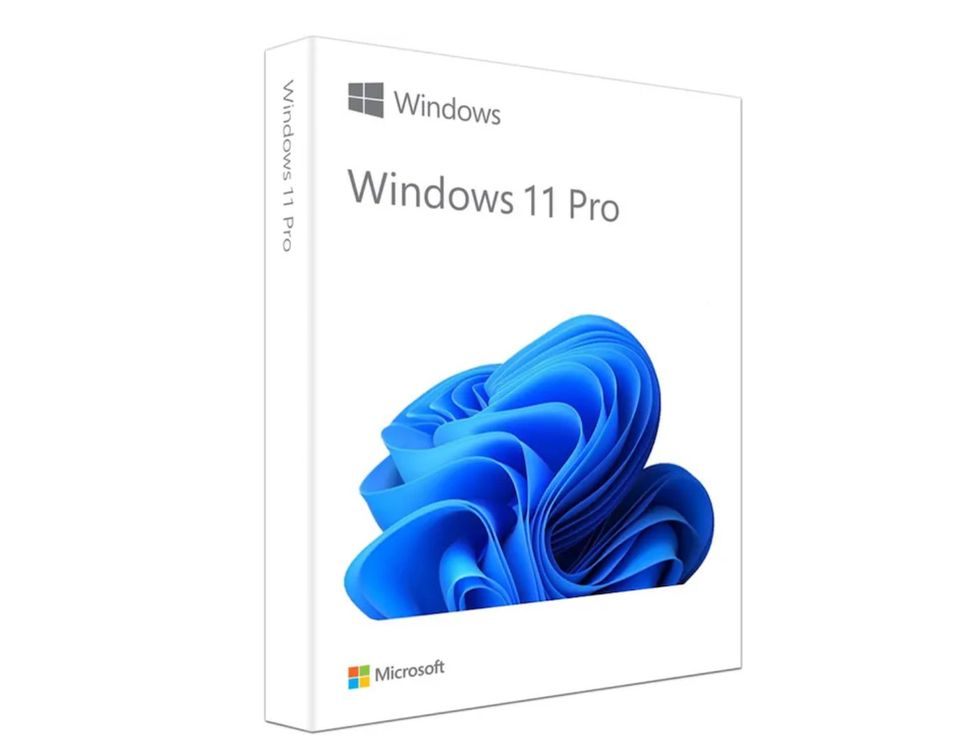
This Guide Will Assist You To Upgrade To Windows 8 And Office365.
Windows 7 is no longer being supported. This was not just the end for an operating-system as well as the end for an entire period of time when it came to licensing software. For individuals and businesses clinging to `windows 7`, the upgrade path to Windows 11 is not a simple re-installation–it’s a migration to a fundamentally different digital paradigm. This includes everything from the way you buy the “windows 11 license” to how your system is protected and the way you interact with Office. The old world of single-time purchase, physical media and isolated software suites is now replaced by cloud-integrated subscriptions and digital licenses, and ecosystem-wide security. In order to navigate this transition you must understand the ten intersections which exist between old practices and current necessities. The choices you make regarding your OS directly impact on your productivity suites as well as security, as well as future scalability.
1. Hardware Gauntlet. Your first and unassailable step.
Windows 11 hardware requirements are important to understand prior to buying Windows 11 (TPM 2, Secure Boot Modern CPU). Windows 7 machines from the past, particularly those manufactured prior to 2017, are more most likely to fail the test. This isn’t a Microsoft cash grab, it’s a security requirement. These functions provide the “hardware base of trust” upon which modern security solutions like Windows Defender or even third-party software like kaspersky premium rely. Trying to bypass these requirements with unofficial ISO changes creates an unsupported, unstable system which compromises the security features of the update. It also puts you at risk more to attack than Windows 7
2. License Migration myth: Your Windows 7 Key (mostly obsolete)
Windows 10 could be activated using the Windows 7 Pro product key. Windows 11 has effectively ended the grace period. Windows 7 OEM or OEM-licensed hardware, particularly if the motherboard is older, will not upgrade to Windows 11 if the hardware doesn’t meet the requirements. That means you’re starting from the beginning. You are starting from scratch.
3. The Office Licensing Revolution.
If you run Office 2010 or 2013, you are used to the recurring “office lizenz”. Office 2021 (the modern equivalent) is dead since day one. It gets security updates and updates, but it does not have any new features. The path to upgrading productivity is now an annual subscription to Microsoft 365. This shift is profound that you’re no longer just upgrading Office and Office 365; you’re also embracing an identity cloud (Azure AD) with 1TB of OneDrive storage, and enabling real-time collaboration. You need to reconsider your old habit of buying Office licenses every ten years to make room for a constant operating expense that includes updates and services.
4. Security is not an afterthought A New Approach is needed.
Windows 7 probably had you using a third part antivirus like an old Norton 360. Windows 11 has changed the game. Windows Security (Defender), which is built into Windows 11 is now an integrated cloud solution that is top of the line. The installation of your previous security software can result in performance issues and conflicts. This is the time to make a thorough assessment. Do you prefer Kaspersky as a stand-alone suite premium or does Defender together with modern hardware security provide adequate protection? It all depends on your threat model, but the assumption that you must buy separate antivirus is no longer necessarily true.
5. The Clean Install Imperative and Data Migration Strategy
It is not recommended to upgrade Windows 7 in place to Windows 11. This can cause you to go to instability. This should not be an attempt to reinstall. This procedure requires disciplined data transfer. This is the ideal time to abandon local backups and shift to a cloud-based strategy. Microsoft 365 includes OneDrive. Configuring Known Folder Move during setup (to backup Desktop, Documents and Pictures) converts the data migration process into a seamless, cloud-synthesized and ongoing process. Your data becomes more user-centric than PC-centric.
6. The Professional Feature Crossroads – Pro is the latest minimum.
Windows 11 Pro is mandatory if previously used Windows 7 Professional as a domain joiner, BitLocker host, or Remote Desktop host. A home key for Windows 11` is a crippling mistake for any professional or business use. Home isn’t compatible with BitLocker and does not have a Group Policy editor, and is unable to join domains. If you’re moving from Windows 7 Pro to Windows 11 Pro, the Microsoft 365 Business subscription or a Retail license is the only way to maintain professional functionality and data protection.
7. Be wary of Grey Market Sirens Calling During the Transition.
The need to upgrade as well as the cost of new licenses is what drives many to purchase cheap windows 11 OEM keys from market stalls. This is a fatal error when you’re in an upgrade. The keys won’t work and you’ll be left with an unreliable foundation, just in case you’re looking to build the system. Making the investment in a retail license or subscription which includes Windows (like Microsoft 365 Business) gives you security and immediate support, as and a possible upgrade path. The cost of a gray-market key will be the loss of all your data and your time in the event that it is deactivated.
8. Cloud Computing and Future Proofing The Server Connection
Windows Server 2025 is expected to be the next generation of your Windows 7 computer if it was part a domain. Windows 11 Pro will not suffice for this type of integration. It is also necessary to be aware of the various cals. Azure Active Directory is a cloud service that comes included with Microsoft 365 Business. The time to upgrade to Windows 7 is the moment to decide: do you keep investing in on-premise servers and CALs, or pivot to cloud-based identity and device management (Intune) by way of subscription? The cost and structure of licensing for each path are different.
9. Driver Archaeology and the Need for an Modern Hardware Base.
Windows 7 was able to benefit from a vast library of old driver. Windows 11 relies primarily on modern cloud-based drivers via Windows Update. Windows 7 may be the only option for certain hardware (old scanners and scientific instruments, for example.). Upgrade assessments requires hardware compatibility testing. This could show that an upgrade is needed, and a brand new computer with the Windows11 OEM licence is the most suitable option.
10. A shift in philosophy of ownership to management and access.
The upgrade from Windows 7 represents a change in the way you think about things. It is a shift from a system of owning static software (`windows 7` DVD, Office 2010 box) to one of signing up to a continuously updated service or purchasing a digital license with strict transfer regulations. Your security model evolves from a bolt-on antivirus to a fully integrated, hardware-backed defense. Your data is transferred from local storage into the cloud. Embracing this holistic change–through legitimate Windows 11 Pro licenses, a Microsoft 365 subscription, and making use of modern security tools is the only way to ensure that the upgrade will not just provide an updated OS but also a durable modern, scalable, and dependable computer foundation for the coming decade. Read the best windows 11 lizenz kaufen for blog tips including office 365 office key, windows office, microsoft office with key, windows & office, office 365 office key, office 2019 professional plus, windows server 2016, microsoft office 2019, windows server software, microsoft office with key and more.

Software Bundles Are They Worth It Or Not? Norton 360 Office Deals.
A bundle of software can provide the best value. An example is a bundle that comprises Norton 360 and an Microsoft Office licensing. These deals, typically found when you purchase a PC from major retailers or when purchasing one, can provide convenience and savings. However, the true value of these bundles can’t be discovered in the headline price, but in a critical examination of the alignment between licensing as well as feature overlap and long-term fit for the particular digital ecosystem you are in. Bundles that combine a subscription-based software suite with an annual license can be an unsuitable choice for managing your product and lifecycle. When you are evaluating these deals it is important to peel away layers of information to fully comprehend the effect they have on your system’s credibility and the path to upgrade from an older version such as “windows 7” as well as any other requirements such as centralized management or integration with other products like “windows Server 2025”. The ten elements listed below decide if a bundle will be a good strategic fit.
1. The Basic Mismatch: Subscriptions and. Permanent License Lifecycles.
The most critical flaw in many `norton 360` + Office bundles is the clash in the licensing model. Norton 360 is an annual subscription. Office 2021) is an example of perpetual license. This results in a divergent product lifecycle. Although your antivirus needs renewal every year and your Office suite will remain static until a newer version is purchased (often more than 5 years after the purchase). The “savings” however, are just a one-time thing. It’s a perpetual Office version. Norton will not be decreased. This is a distinct deal and not an integrated one.
2. Bundles can hide the “Which Office?” Question.
The term Office can be a bit confusing. Does it refer to a complete perpetual Office Professional suite, or the less-capable Office Home & Student edition (which lacks Outlook and comes with commercial usage restrictions)? Microsoft Office is often advertised as part of a bundle but the actual application could not be sufficient for many business environments. Before valuing the bundle, it is essential to confirm the exact SKU. However much you save on Norton but if Outlook for email is required for your needs, a bundle that includes Home & Student will be ineffective.
3. Your Windows License Legitimacy is crucial.
Norton 360 and Microsoft Office depend on solid Windows operating systems that is legitimate and updated to function optimally. If you’re running your PC with a Windows oem shady key obtained from a greymarket windows lizenz website, this base has been weakened. The security suite’s integrity along with productivity software and other software that is installed on a potentially compromised OS is undermined. If the platform’s core is not trustworthy or is susceptible to being deactivated The value of the bundle could be diminished.
4. Windows 11: Security built-in and redundancy (Windows 11)
Windows Defender, the cloud-based security program that comes with Windows 11, provides robust protection. Norton 360 is a feature overlapper, and it can interfere with system resources. The bundle could require you to install and purchase a security software which you don’t really need. This evaluation should begin with a fair evaluation. Are the user’s actions and threat models require Norton to have the additional features such as its VPN, password manager or dark-web monitoring? can the built-in Defender for free be enough for these needs? The majority of the time, the bundle assumes the latter without asking.
5. The “Upgrade Windows 7” context is a possible bridge in the short term.
If a user is finally moving from Windows 7 the bundle may be of some use for a short-term logistical advantage. It provides a dependable security suite (Norton) in addition to as the current Office edition, in a single purchase. This helps to ease the shock of transition. However, it’s a sloppy approach. Microsoft 365 ignores this modern model, which provides continuously upgraded Office along with more security features (through Defender Endpoint for higher plans) all in one subscription. The bundle is a good way to get rid of Windows 7 but could lock users into an old model (perpetual Office).
6. Management Overhead: The Anti-Synergy.
For any company, even an unimportant one, a bundle of separate Norton 360 and standalone Office licenses can be a hassle to manage. The management console is not unified. Norton renewal dates must be monitored independently. Office installations are managed manually. Also, you have to navigate through two portals for vendors. Microsoft 365 Business Premium is an online subscription that controls Office apps as well as advanced security policies and identities from a central administrator center. The claimed cost savings quickly become negated by the additional IT labour.
7. The Perpetual Office is isolated: missing the Cloud Ecosystem.
The perpetual”office lizenz” in these bundles is an island. It doesn’t include OneDrive cloud storage, Microsoft Teams and collaborative real-time authoring tools. It is only a desktop app. Bundled with Norton, the security suite may have its own cloud-based backup. The result is an unconnected user experience. If you purchase two different security suites that don’t communicate, M365 could seamlessly connect them.
8. Kaspersky Premium’s alternative approach to Kaspersky Premium’s Alternative Approach to
Contrary to Norton, “kaspersky premium” is not as often bundled with Office. It directly competes on the front of security. Its value proposition is superior heuristic security, which will appeal to those who are power users. When looking at the benefits of a Norton+Office bundle, the question is: “Would I be better served by buying an annual Office license on its own and then pairing it with a separate security suite such as Kaspersky, that better fits my personal preferences regarding technology?” The bundle removes the need to choose.
9. Zero integration with Advanced Infrastructure Windows Server, Cals
These consumer/business-consumer bundles exist in a silo completely separate from organizational IT infrastructure. They don’t provide any path or synergy towards a Windows Server 2025, or the necessary the cals. The Group Policy cannot be used to manage them via servers. They are designed for individual or very small office use. This bundle could be a technological dead-end if business growth or the requirement for formal servers is on the horizon.
10. The True Cost Calculation: Bundle Price vs. Strategic Subscription.
For real value for your investment, you must conduct a TCO study over a time period of three years. Compare Bundle: This is the cost of a single-time bundle (Norton 360’s annual subscription time 3) + the cost of the following Office permanent license, which is due in 2026. Versus: Microsoft 365 Business Basic/Premium = (Monthly subscription x 36 months). Subscriptions usually include up-to-date Office software, 1TB OneDrive Cloud Storage, Business Email and a variety of advanced Security/Management tools. Over time the bundle’s “discount” disappears and you will be locked into less functional, more-difficult-to-manage software. Anyone who needs greater than the basics of computing will discover that the bundle is a waste of money. Check out the top norton 360 for blog tips including microsoft office key, office key, microsoft office with key, microsoft ms office 2016, windows & office, product keys, office 2019 professional plus, microsoft office software key, microsoft project, micro soft outlook and more.